Sustainable Solutions: How E-Waste Recycling Services Are Saving Our Planet
E-waste poses significant threats to the environment, as abandoned electronic devices commonly carry harmful materials. These toxic materials have the potential to taint soil and water sources, causing extensive damage to surrounding ecosystems. E-waste recycling initiatives provide a practical answer. They serve the dual purpose of reclaiming precious materials and reducing contamination. Comprehending the operation of these services and their influence on communities is of great importance. Pursuing efficient e-waste management brings forth pressing questions regarding individual duties and shared responsibility. What actions should be considered going forward?
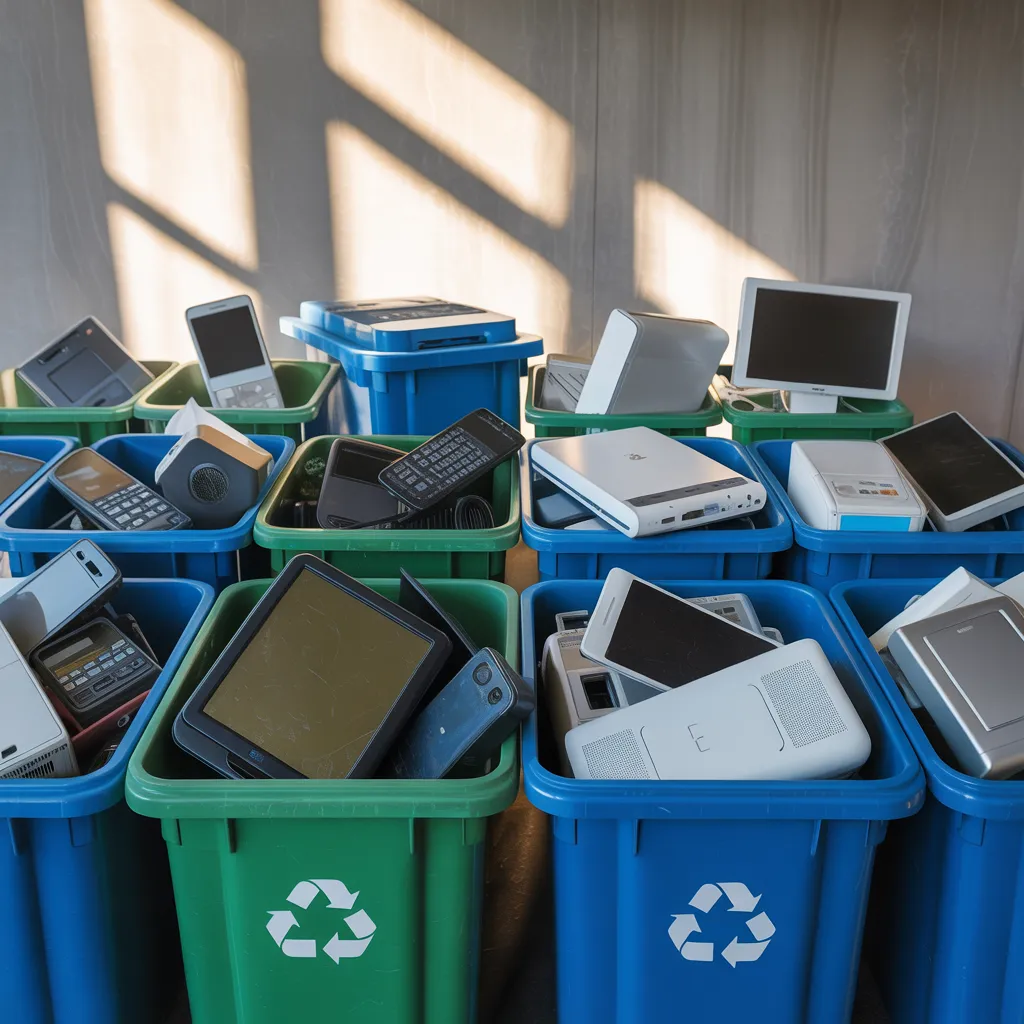
Why E-Waste Poses a Threat to the Planet
While technological advancements improve our daily lives, e-waste creates significant environmental threats. Abandoned electronic gadgets, frequently composed of dangerous compounds like cadmium, lead, and mercury, may release harmful substances into groundwater and soil, presenting dangers to both wildlife and human well-being. The rapid pace of technological advancement contributes to increased consumer turnover of electronics, worsening the buildup of electronic waste.
Landfills, already burdened with waste, struggle to accommodate the growing volumes of discarded gadgets. Incineration, a common waste management technique, emits dangerous pollutants into the environment, degrading atmospheric conditions. Furthermore, inadequate recycling methods can result in the shipment of electronic waste to underdeveloped nations, where workers may break down equipment without proper protective measures, putting themselves at risk of exposure to hazardous materials. This pattern of negligence and mismanagement Find out more highlights the critical demand for eco-friendly recycling alternatives that can reduce the damaging impact of electronic waste on the environment.
What Is E-Waste and Why Is It Important?
E-waste, also referred to as electronic waste, comprises obsolete electronic products including smartphones, computers, and televisions that have exceeded their operational lifespan. This rapidly expanding waste category is noteworthy due to its rapid accumulation, fueled by innovation in technology and shifting consumer habits. With an increasing number of devices reaching obsolescence, the toll on the environment grows more severe, with toxic materials such as lead, mercury, and cadmium threatening both ecosystems and public health.
The significance of tackling e-waste extends beyond minimizing these risks to recognizing the valuable resources it holds. Valuable metals and rare earth materials can be extracted and repurposed, lessening the demand for mining and preserving natural resources. Through a deeper awareness of e-waste and its consequences, both individuals and organizations can make well-informed choices regarding disposal and recycling, thereby supporting a more sustainable future. Effective handling of e-waste is vital for encouraging a circular economy and advancing environmental responsibility.
How E-Waste Recycling Works
The recycling of e-waste encompasses an organized procedure aimed at reclaiming useful resources while limiting ecological damage. To begin, electronic waste is gathered and delivered to dedicated processing centers. After reaching the facility, the equipment is meticulously organized to separate hazardous components from recyclable materials.
Following this, employees take apart the devices, removing metals, plastics, and glass. This stage is crucial, as it allows for the recovery of precious metals like silver, gold, and copper, which are repurposed in new electronic devices.
Afterward, the sorted materials are processed through sophisticated techniques, such as mechanical shredding and chemical processing, to cleanse them for reuse.
Ultimately, the remaining hazardous waste is handled with responsibility, complying with environmental regulations. This comprehensive process not only preserves valuable resources but also reduces the dangers linked to irresponsible electronic waste disposal, securing a more eco-conscious future for electronic device usage.
Advantages of E-Waste Recycling for You and Your Community
While many individuals may not realize it, the positive effects of e-waste recycling reach well past personal use to meaningfully influence entire communities. By carefully processing electronic waste, individuals play a role in creating a safer environment, reducing harmful substances that can contaminate soil and water. This forward-thinking practice actively safeguards local ecosystems and supports public health.
Moreover, electronic waste recycling supports the creation of jobs in communities. Nearby recycling establishments regularly need employees for various operations, including collection and processing, thus generating valuable job opportunities to area workers. This not only boosts the local economy but also fosters community involvement in eco-friendly practices.
Moreover, understanding of e-waste recycling may result in educational initiatives, empowering residents to make environmentally conscious decisions. By taking part in e-waste recycling programs, individuals promote a culture of sustainability, prompting others to do the same. In summary, the cumulative impact of these actions can result in a more resilient and environmentally responsible community.
How to Pick an E-Waste Recycling Service
Selecting the best e-waste disposal service is essential for guaranteeing that electronic refuse is handled with responsibility and sustainability. First, individuals should check the company's credentials, such as e-Stewards or R2, which demonstrate adherence to established benchmarks for secure waste disposal procedures. It is equally important to examine the company's credibility by reading customer reviews and obtaining recommendations from trusted sources.
Moreover, openness in the recycling process is crucial. A reliable service should supply straightforward details about how e-waste is processed and what becomes of the materials. Moreover, evaluating the range of services offered can be beneficial; various firms may supply retrieval services or extend benefits for recycling.
Ultimately, understanding local regulations regarding e-waste disposal can further guide the selection process. When these considerations are given priority, consumers can play a role in responsible e-waste disposal alongside encouraging green and responsible behaviors.
How You Can Get Involved in E-Waste Recycling?
Participating in e-waste recycling can start at the local level, where community recycling hubs frequently offer essential services for proper disposal. Moreover, joining community awareness campaigns can enhance efforts to raise awareness about the importance of responsible e-waste management. Such efforts not only promote sustainability but also cultivate a collective sense of responsibility toward the environment.
Nearby Recycling Facilities
Many community recycling facilities play an essential role in recycling electronic waste, offering communities convenient opportunities to discard electronic waste in an eco-friendly way. These facilities handle a wide array of electronic devices, including used computers, handheld devices, and televisions, guaranteeing that dangerous substances are processed safely. The majority of facilities employ trained staff who are able to assist individuals with correct disposal techniques, underscoring the benefits of recycling compared to landfilling. Additionally, various hubs coordinate organized drop-off opportunities or appointed collection periods, enabling residents to engage without difficulty. By taking advantage of these neighborhood resources, community members advance a circular economy, minimizing ecological impact and fostering sustainable behaviors. Partnering with these facilities empowers communities to take action against e-waste pollution effectively.
Community Outreach Campaigns
Community groups, educational institutions, and companies can partner to arrange initiatives that encourage e-waste collection drives. Community members can serve a critical function in spreading awareness, distributing educational materials, and engaging with the community. As a result of these combined actions, community members grow more knowledgeable and inspired to dispose of their electronics responsibly, thereby helping to build a greener and more sustainable tomorrow.
Frequently Asked Questions
What Types of Electronics Can Be Recycled?
Many different electronics may be recycled, including smartphones, computers, laptops, televisions, printers, and gaming consoles. In addition, accessories such as mice, keyboards, and batteries are equally appropriate for recycling, promoting efforts to conserve the environment.
Are There Fees Involved With E-Waste Recycling?
Yes, electronic waste recycling sometimes comes with costs, based on the facility. Certain providers apply costs for gathering or treatment, while other facilities make services available at no charge, frequently supported by the proceeds from salvaged materials.
How Do Businesses Gain From E-Waste Recycling?
Businesses can benefit from e-waste recycling by reducing disposal costs, improving their green reputation, adhering to regulatory requirements, reclaiming useful materials, and creating potential earnings via resale, thus supporting a greener and more sustainable operational framework.
What Happens to Data on Recycled Devices?
Data on refurbished electronics is often permanently erased or obliterated during the refurbishment process. This confirms confidential data is kept safe, blocking unwanted intrusion while enabling materials to be repurposed carefully and ethically in new products.
Is It Possible to Recycle Damaged Electronics?
Absolutely, damaged electronics can be recycled. Several centers accept broken devices, ensuring safe disposal and recovery of precious materials. Doing so helps minimize the environmental footprint while fostering responsible recycling practices to control electronic waste responsibly.